

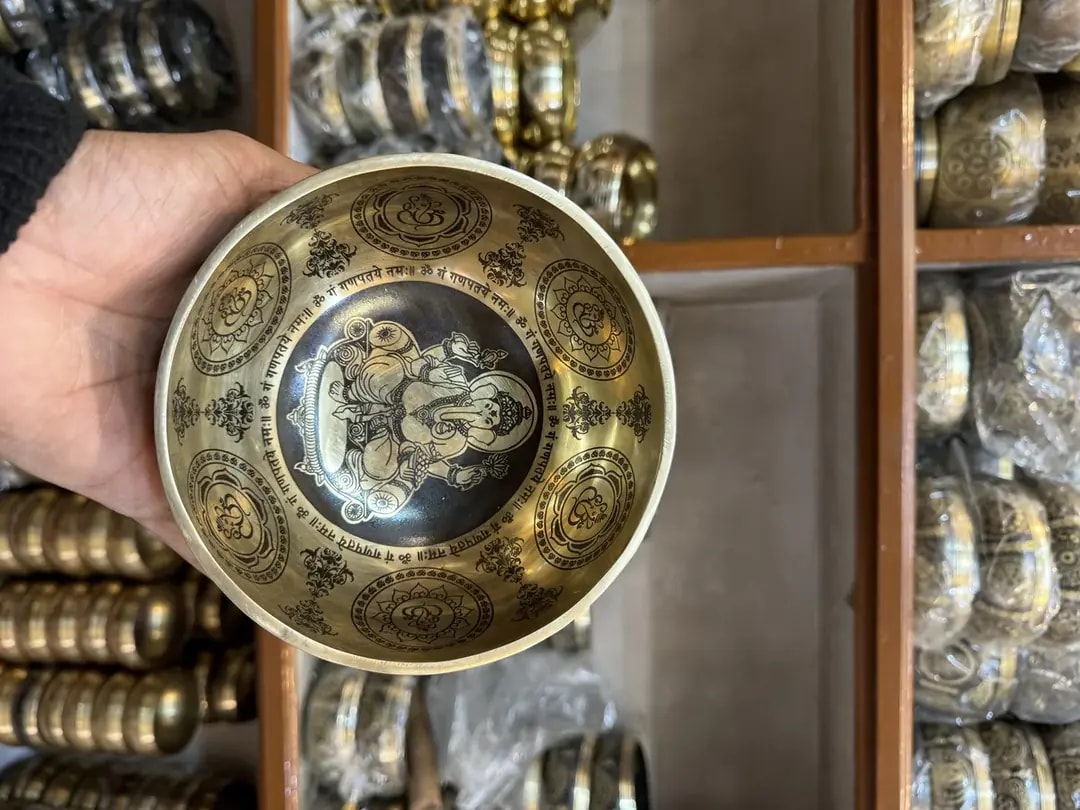
Made by hand, tuned by ear
HarmonicNest began in the metalworking lanes of Patan, where Newari families have hammered bronze into ritual instruments for centuries.
Every singing bowl, gong, tingsha and bell we sell is made the old way — heated in coal fires, shaped by hand under the hammer, and voiced by a master who listens for the tone before it leaves the workshop. No two pieces are identical, and that is exactly the point.
We work directly with the artisans, paying fairly and telling their stories, so that a craft thousands of years old can keep its place in the modern world.
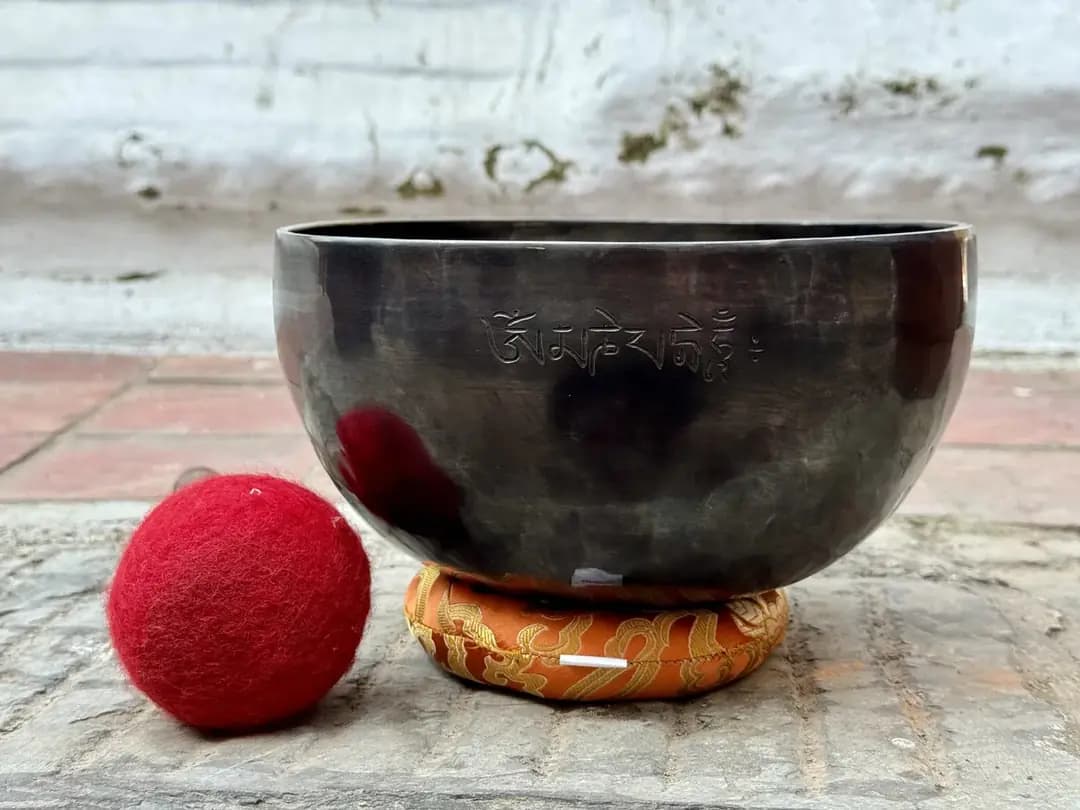
From raw alloy to a single, sustained tone
A bowl starts as nothing more than a disc of bell-metal bronze — copper and tin, melted and poured. There is no mold waiting to give it shape. That comes later, and it comes from a hammer.
Three or four smiths work a heated stack in rotation, striking in rhythm, turning the metal a fraction with every blow. Between rounds it goes back into the coal fire to soften again — a cycle of heat and hammer repeated a dozen times or more before the shape is even close to finished.
The last stage is the one no machine can do. A tuner strikes the rim, listens, thins a hair's width of metal, and strikes again — sometimes for hours — until the bowl holds a tone that doesn't waver.
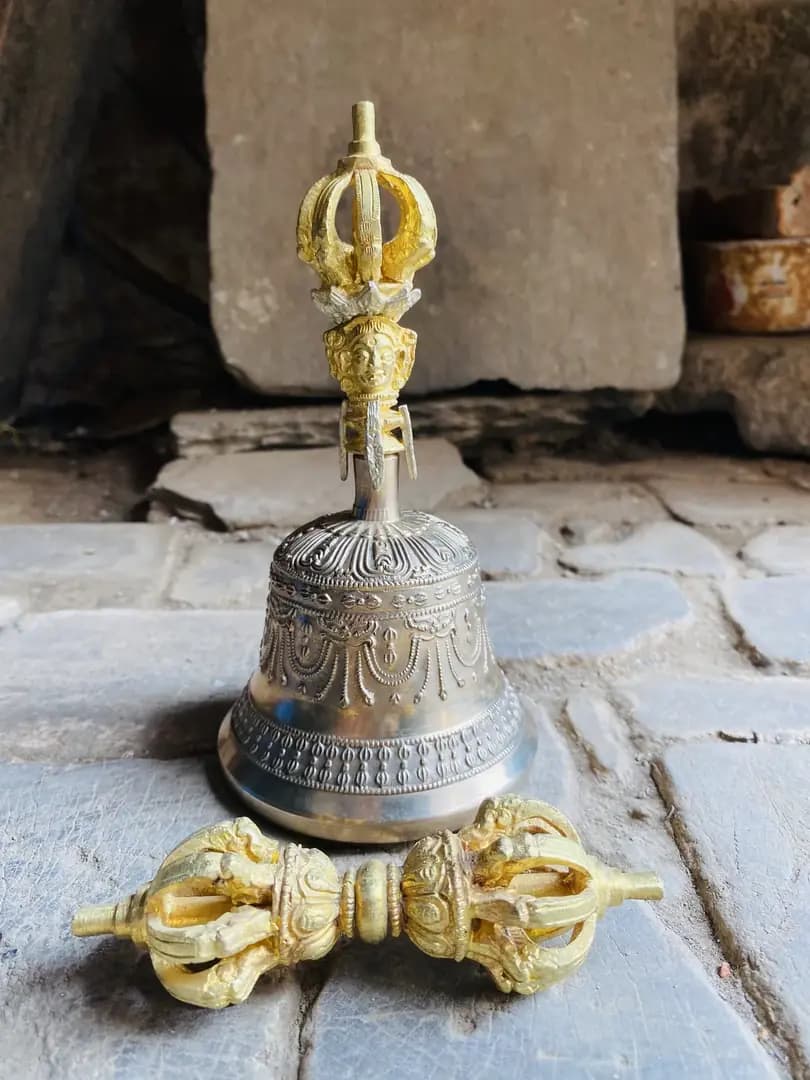
A thousand years in the same courtyards
The families we work with belong to Patan's Newari metalworking guilds — Shakya and Tamrakar craftsmen whose lineage in this trade predates any of the borders drawn around it. A bowl rarely passes through one pair of hands; it moves between three or four households on the same lane, each one responsible for a single stage.
That's also why we never claim a single artisan made a piece alone. The honest answer is that a small community did, the same way it has for generations, and we think that's worth saying plainly rather than smoothing into a simpler story.
We pay directly into that community — no import middlemen setting the price a craftsman is paid — because a tradition this old only survives if the people carrying it can afford to keep doing it.
A few things we won't compromise on
No molds, no shortcuts
Every disc is heated, hammered and annealed by hand — the same way it was done a century ago.
Bronze, not brass
A high-tin bell-metal alloy chosen for how long a piece sings, not how cheaply it casts.
Direct, fair trade
We work straight with the workshops in Patan — no middlemen between the hammer and you.
Made once, not mass-produced
One artisan, one piece, tuned by ear until it holds its own voice. Never a production line.
More from the Journal
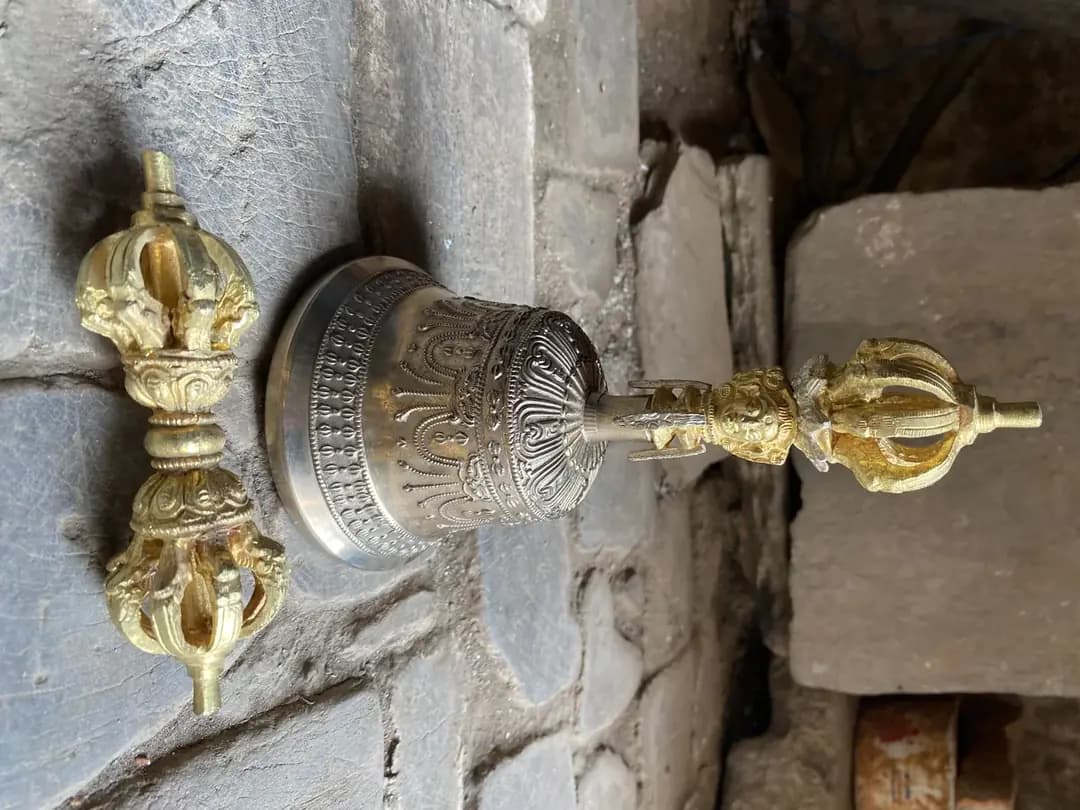
Inside the Newari Metalworking Guilds of Patan
For over a thousand years, one community has shaped the bronze objects at the center of Himalayan ritual life.
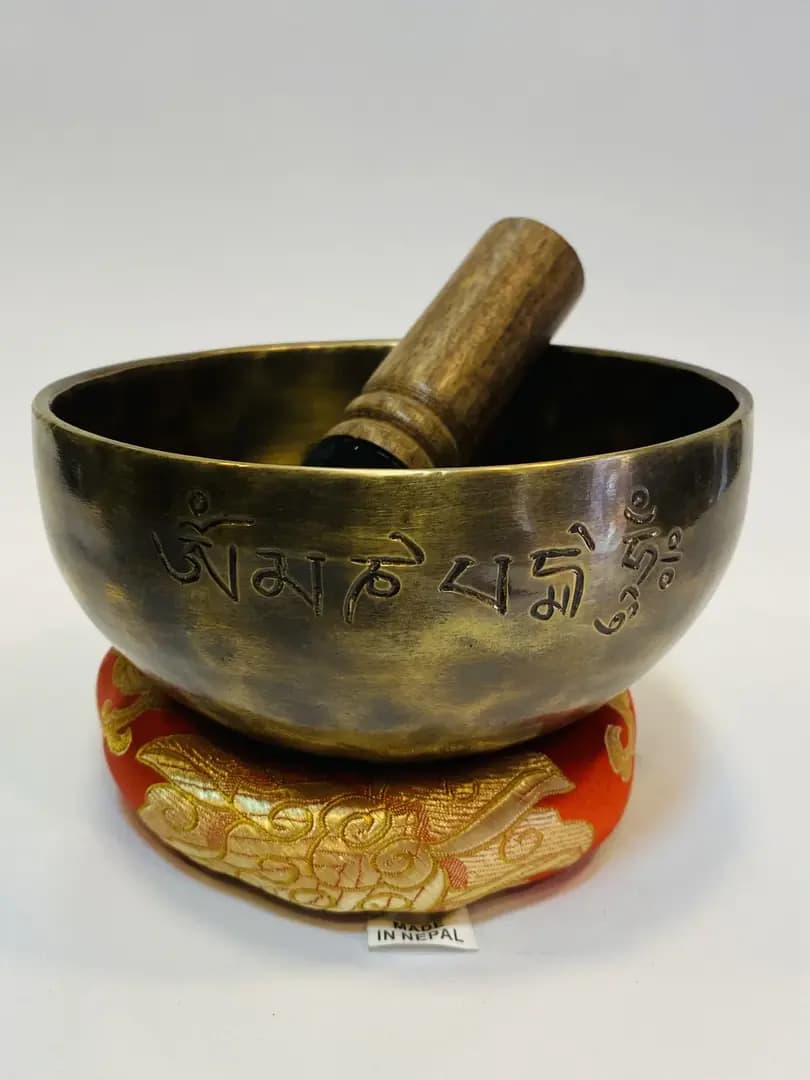
How Singing Bowls Are Handcrafted in Nepal
Inside the Patan workshops where a flat disc of bronze becomes a resonant singing bowl, hammered by hand.