Instruments & Ritual
The Himalayan Gong: Reading Its Symbols and Learning to Play It
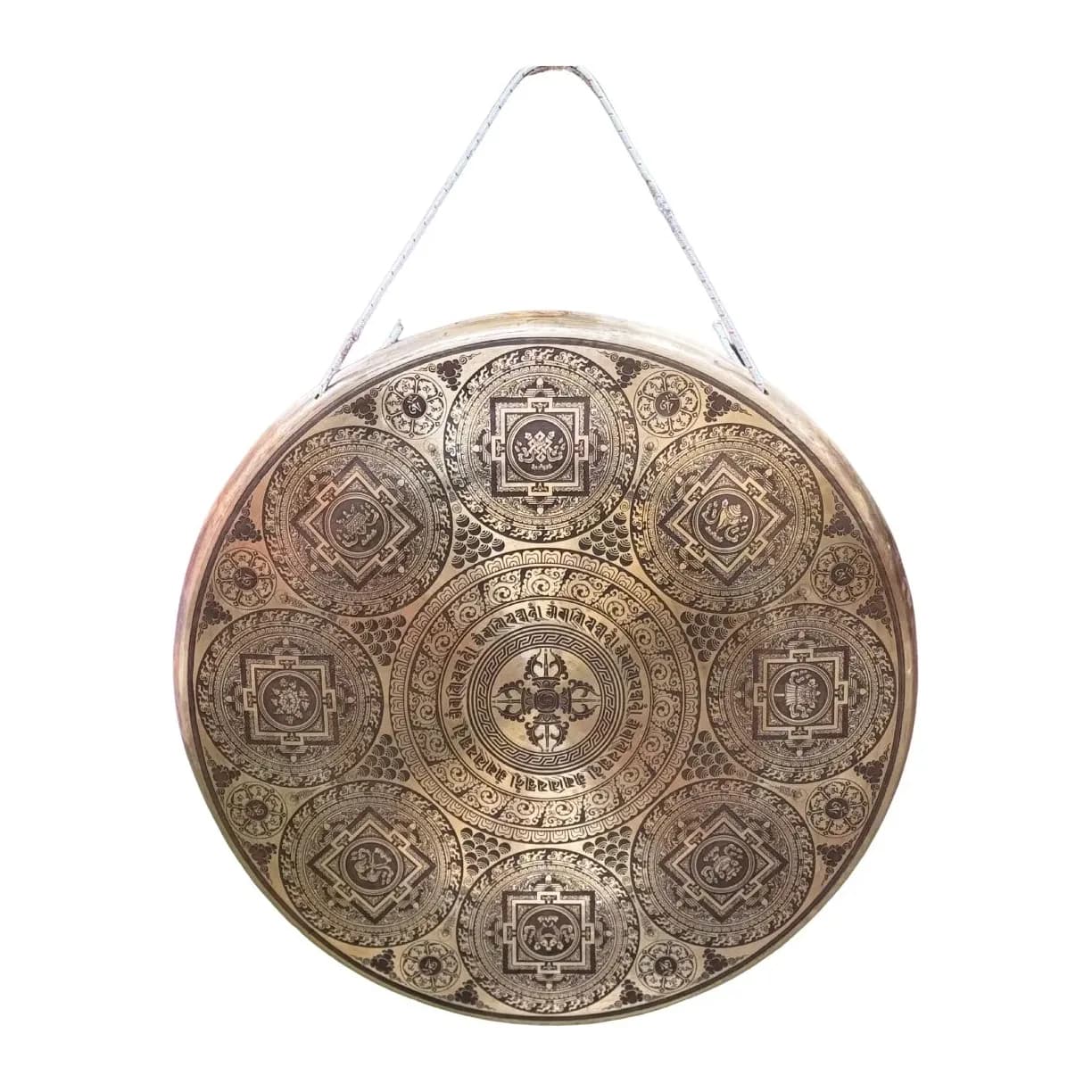
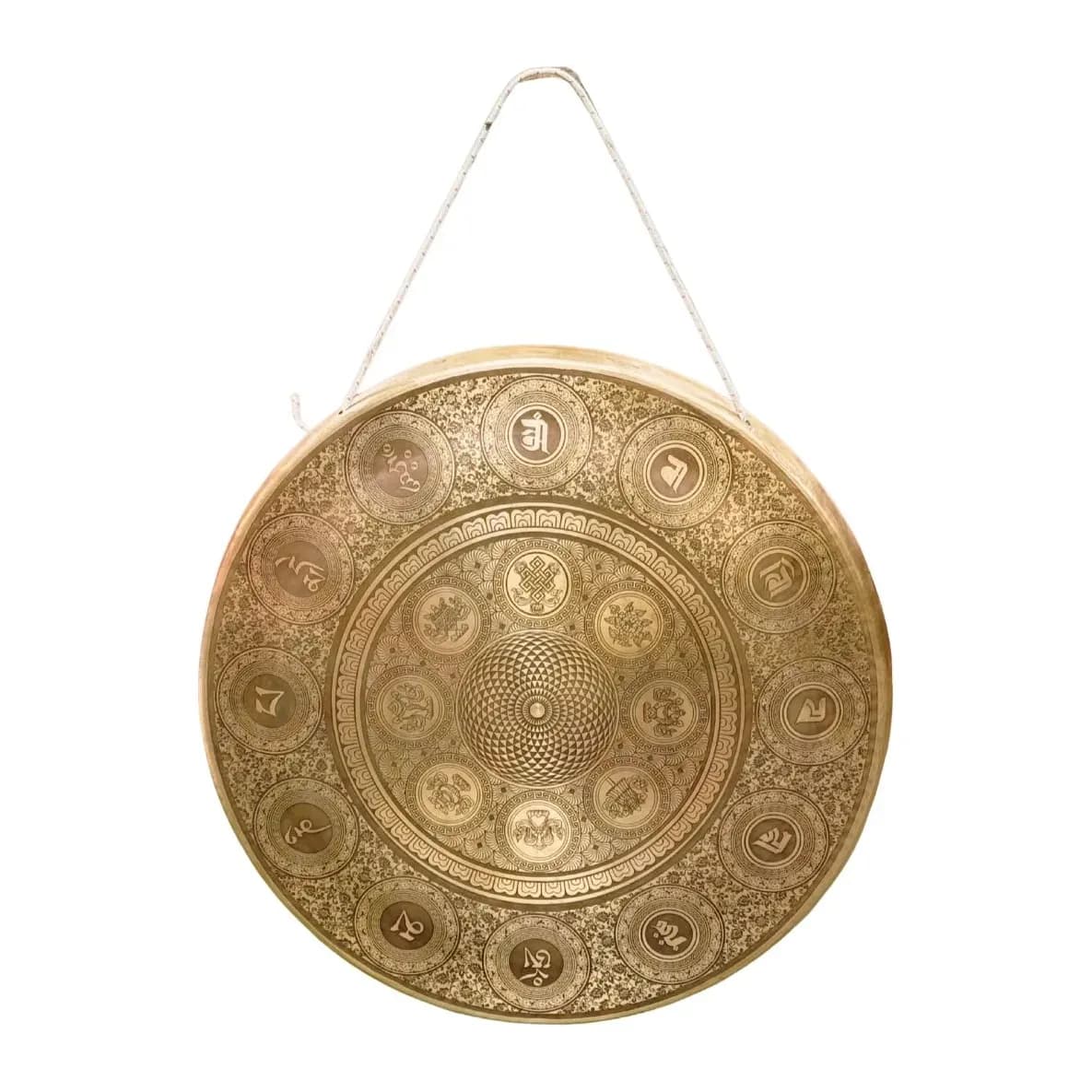
A struck gong marks the beginning and end of practice across the Himalayas. Here's what the etched motifs mean, and how to play one properly.
For over a thousand years, one community in Nepal's Kathmandu Valley has shaped the bronze objects at the center of Himalayan ritual life.
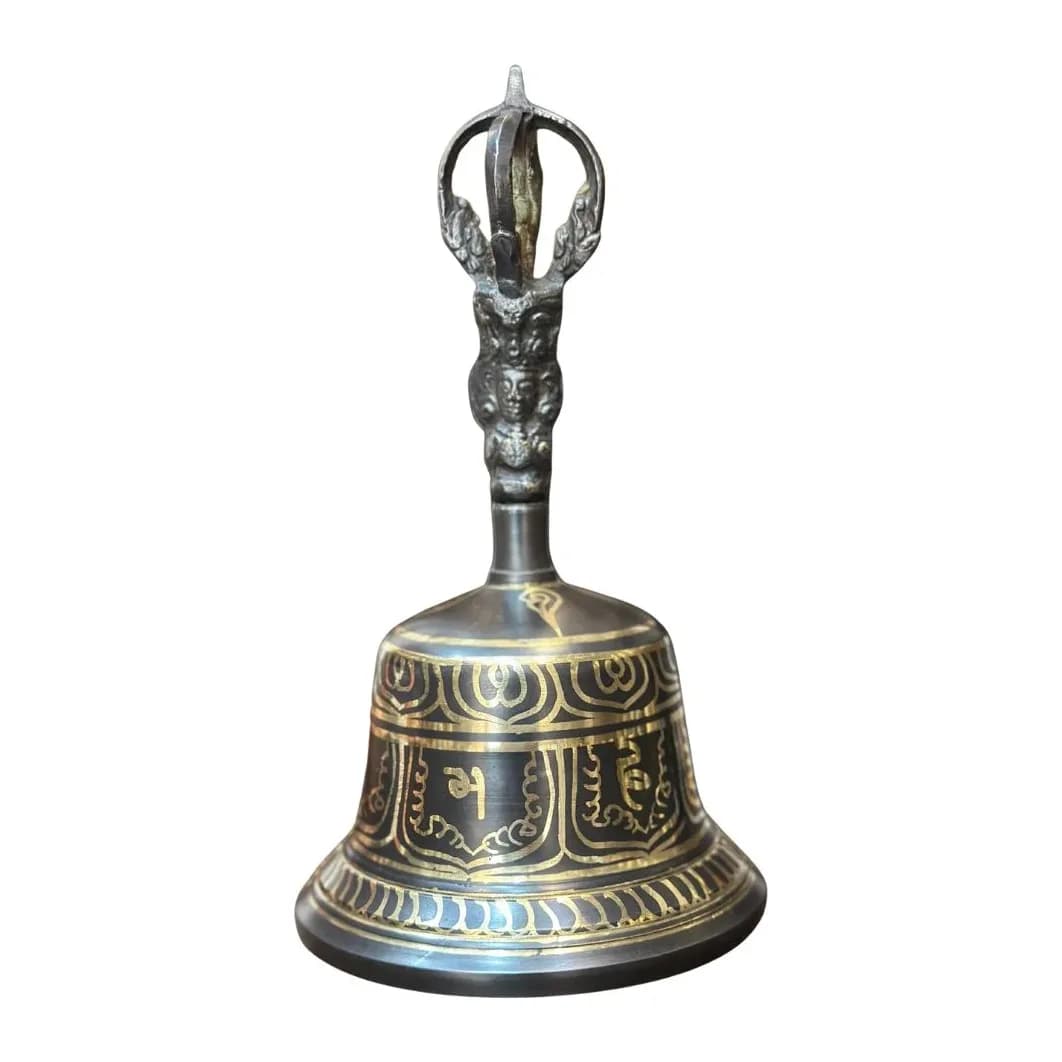
Walk south from Kathmandu across the Bagmati river and the noise changes. The traffic thins, the streets narrow, and somewhere behind a carved wooden window you start to hear it — a fast, bright, irregular tapping. Dozens of hammers, none of them quite in time with each other. This is Patan, and that sound has been coming out of these courtyards for more than a thousand years.
The people making it are Newar — the indigenous inhabitants of the Kathmandu Valley — and more specifically they belong to the metalworking castes known as the Shakya and Tamrakar. Their craft is not a revival, not a heritage program, and not a tourist demonstration. It is an unbroken occupational lineage, passed from father to son and increasingly to daughters, that has supplied the bronze objects of Himalayan Buddhist and Hindu practice since at least the Licchavi period.
The Newari metalworking guild has never looked like a European workshop with a master and a hall of apprentices under one roof. It is distributed. A single bowl might pass through four households on the same lane: one family casts the disc, another does the hot hammering, a third handles the annealing and shaping, and a fourth does the final etching and polish. Each household owns its stage of the process the way a family owns a name.
That structure explains something visitors often find puzzling — why nobody can tell you who "made" a particular bowl. The honest answer is that six or seven people did, across three or four courtyards, and none of them would claim it alone. Authorship in Patan is collective by design.
“My grandfather hammered. My father hammered. I hammer. The bowl does not care what year it is.”
Geography did most of the work. The Kathmandu Valley sat on the trade route between India and Tibet, which meant two things at once: raw copper and tin arrived from the south, and a large, wealthy, ritually demanding Buddhist clientele sat to the north. Tibetan monasteries needed bells, bowls, butter lamps, and statues in enormous quantity, and the Newars were closer, cheaper, and better than anyone else.
By the thirteenth century the arrangement had produced a genuine export industry. The Nepali artist Arniko was summoned to the court of Kublai Khan and stayed to reshape Chinese Buddhist sculpture — an early sign that this valley's metalworkers were among the best in Asia, not merely the nearest.
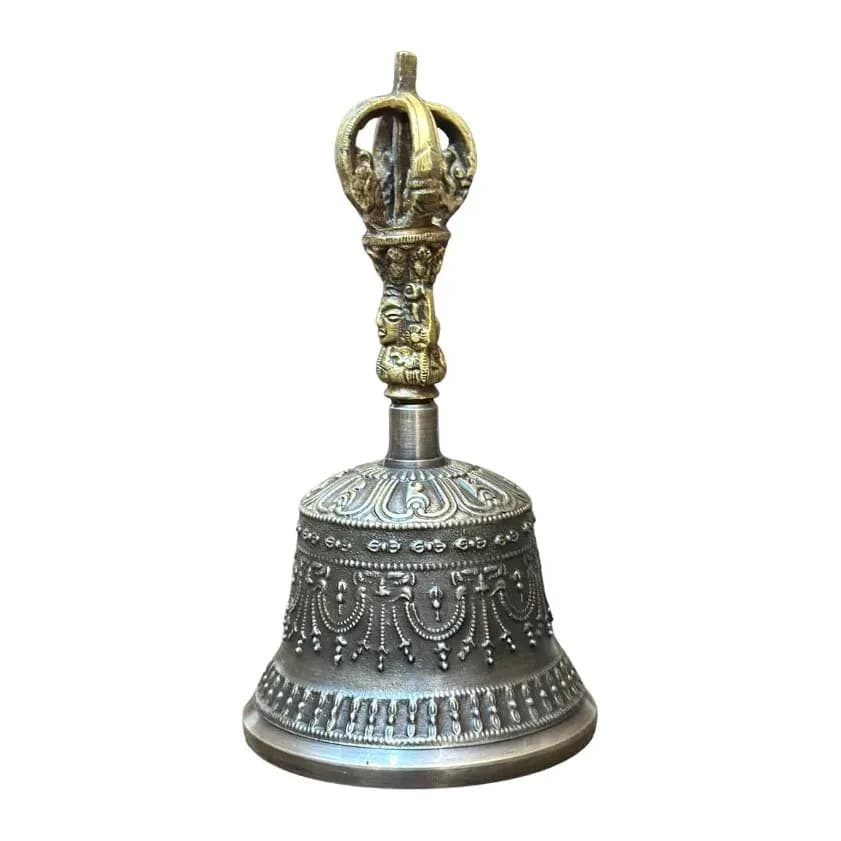
It would be dishonest to describe this as a thriving tradition. It is a surviving one. Machine-spun bowls from India and China undercut hand-hammered work by an order of magnitude, and a young Newar with a technical education can earn more in a Gulf state in two years than a smith earns in ten. The lanes that held forty working households in the 1980s hold perhaps a dozen now.
The workshops that have adapted did so by refusing to compete on price. They took smaller orders, signed their work at the guild level, documented process, and sold the story alongside the object — which is more honest than it sounds, because with hand-hammered bronze the process genuinely is the product. Two bowls from the same disc, the same alloy, and the same pair of hands will not sound the same. That variance is the thing a machine cannot counterfeit.
Every hand-hammered piece we sell comes from these courtyards. When you hear an uneven ring, a slightly wandering fundamental, a wobble in the sustain — that is not a defect. That is Patan.
A struck gong marks the beginning and end of practice across the Himalayas. Here's what the etched motifs mean, and how to play one properly.
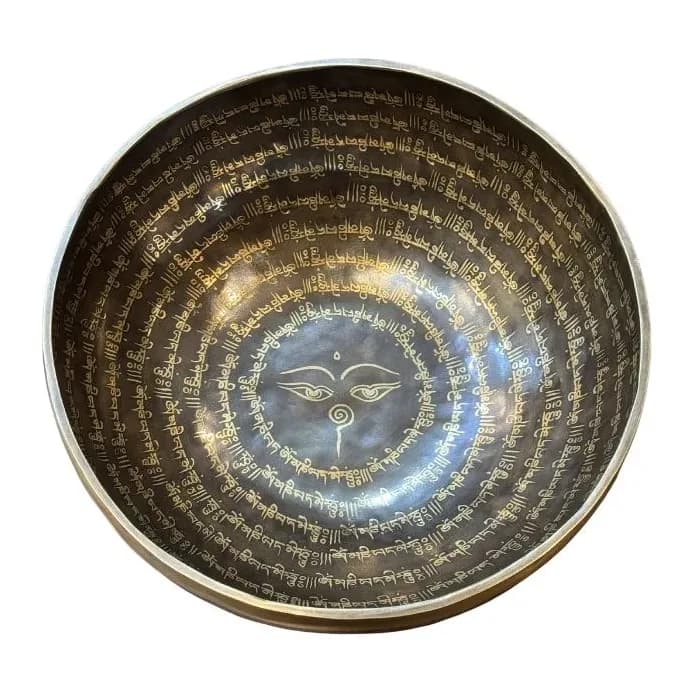
Inside the Patan workshops where a flat disc of bronze becomes a resonant singing bowl — hammered by hand, annealed by fire, and tuned by ear.
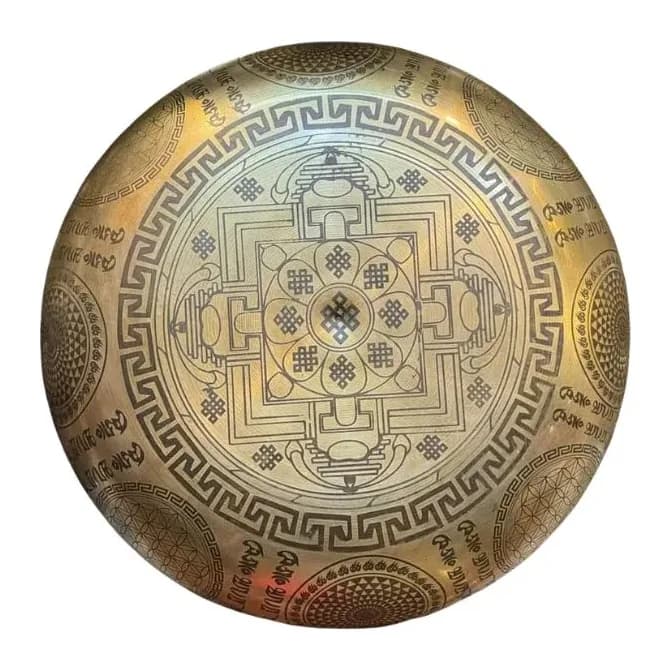
Size, tone, and intention. A practical guide to picking a bowl whose voice actually matches how you plan to use it.