Craftsmanship
The Seven Metals Myth: What Singing Bowls Are Really Made Of
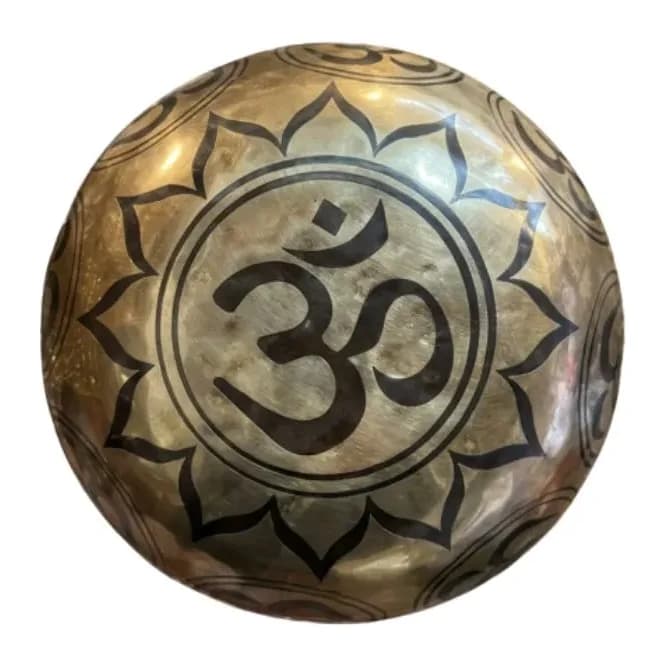
Nearly every listing claims seven metals aligned to seven planets. Metallurgical analysis tells a simpler and more interesting story.
Inside the Patan workshops where a flat disc of bronze becomes a resonant singing bowl — hammered by hand, annealed by fire, and tuned by ear.
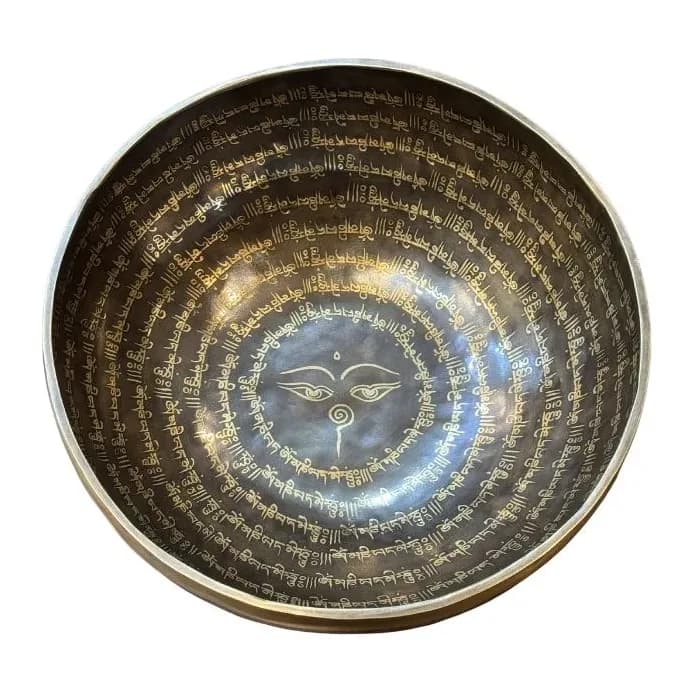
A singing bowl starts as a puck of bronze about the size of a hockey puck and roughly as musical. Getting from there to an instrument takes seven distinct stages, four pairs of hands, and somewhere between two days and two weeks depending on the size and the decoration. Here is what actually happens.
Copper and tin are melted together in a crucible at around 1,100°C and poured into a shallow mold to form a flat disc. The ratio matters more than any other decision in the process: too much tin and the bronze is brittle and cracks under the hammer; too little and it sounds dull and dead. The working alloy for bowls sits near 78% copper to 22% tin — a high-tin bell bronze that is genuinely difficult to work and rings beautifully when you get it right.
Discs are heated in a coal fire until they glow a dull orange, then stacked three to five high. The smiths hammer the whole stack at once — an efficiency trick that also keeps the outer discs from cooling too fast. The stack is turned constantly so heat and blows distribute evenly.
This is the stage everyone pictures. Three or four smiths sit around the anvil and strike in rotation, each blow landing a few millimetres from the last, walking the disc outward and upward into a curve. There is no mold and no former. The shape exists in the hands of the man holding the tongs, who rotates the piece a fraction of a turn between blows and reads the metal's response.
A medium bowl takes several thousand individual hammer strikes. You can see every one of them on the finished surface, and that texture is not decorative — the work-hardened, unevenly thinned wall is exactly what gives a hand-hammered bowl its complex, multi-tone voice.
“The hammer does not make the shape. The hammer makes the sound; the shape is what is left over.”
Hammering hardens bronze until it will crack rather than move. So the bowl goes back into the fire, is brought up to temperature, and is quenched — restoring ductility so the smiths can keep going. A single bowl cycles through heating and hammering anywhere from five to fifteen times. Skipping anneals is the most common shortcut in cheap "handmade" bowls, and it shows up as a thin, short, buzzy sustain.
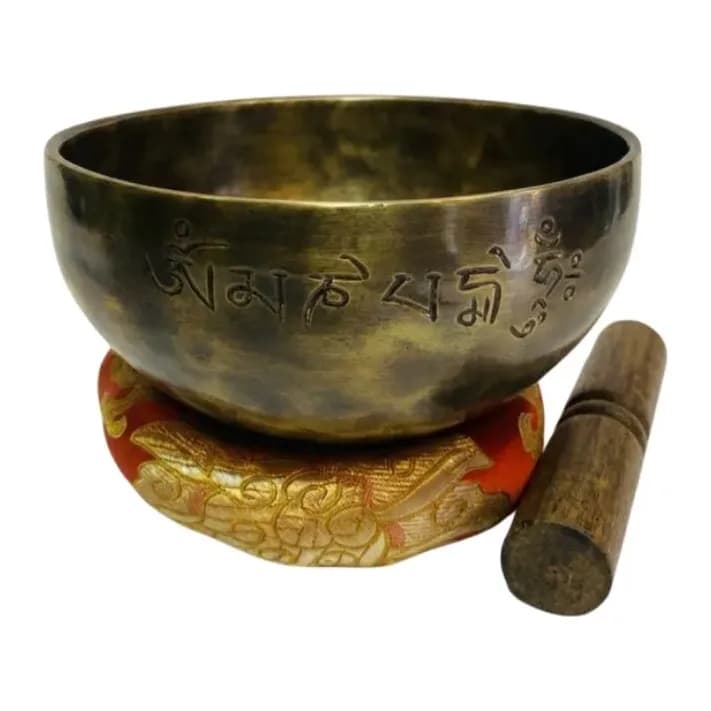
Cold hammering over a shaped stake sets the final geometry: the flare of the wall, the thickness of the rim, and the flatness of the floor. The rim is where the fundamental note is decided. Thinning it lowers the pitch; thickening or rolling it raises it. A smith tuning by ear will strike, listen, take two or three blows, and strike again — dozens of times — until the note sits where they want it.
The bowl is filed and sanded, then decorated if the order calls for it. Mantras, Buddha figures, the eight auspicious symbols, and chakra motifs are hand-etched with a chisel or acid-etched through a resist. Black "antique" and full-moon finishes come from controlled oxidation, not paint. Every removal of material shifts the tone slightly, which is why decoration is done before the final tuning pass, never after.
The last stage is the least mechanical. The bowl is played — struck and rimmed with a mallet — and either accepted or sent back for another few blows. Handmade bowls are not tuned to concert pitch and shouldn't be judged against it. A good bowl has a clear strike tone, a long even sustain, a rim tone that builds smoothly without the mallet grabbing, and no wobble or beating that sounds like a fault rather than a shimmer.
Then it is wrapped and it leaves the courtyard. Two bowls that went through this process side by side, from the same pour, will still not sound the same — and after seven stages of human judgment, it would be strange if they did.
Nearly every listing claims seven metals aligned to seven planets. Metallurgical analysis tells a simpler and more interesting story.
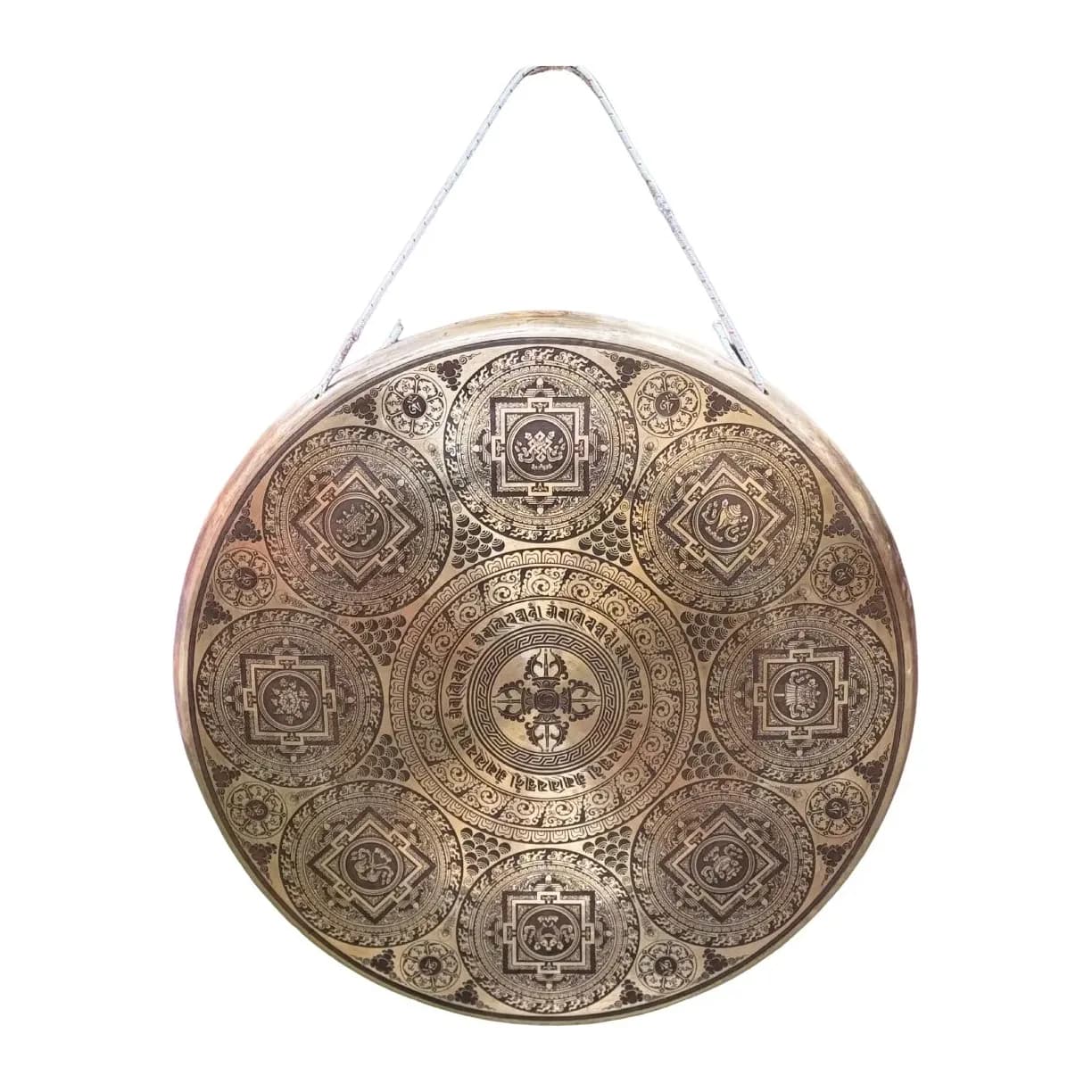
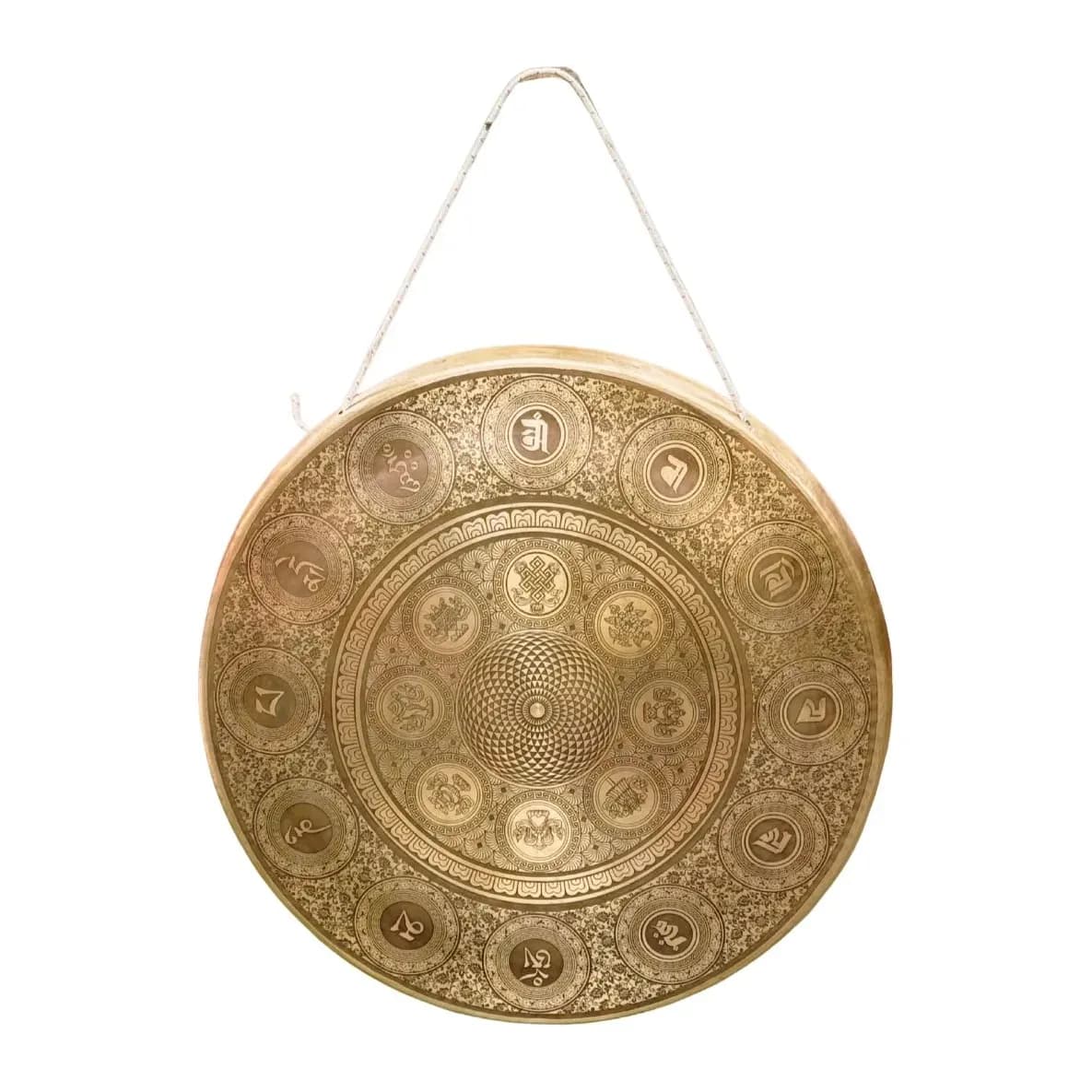
A struck gong marks the beginning and end of practice across the Himalayas. Here's what the etched motifs mean, and how to play one properly.
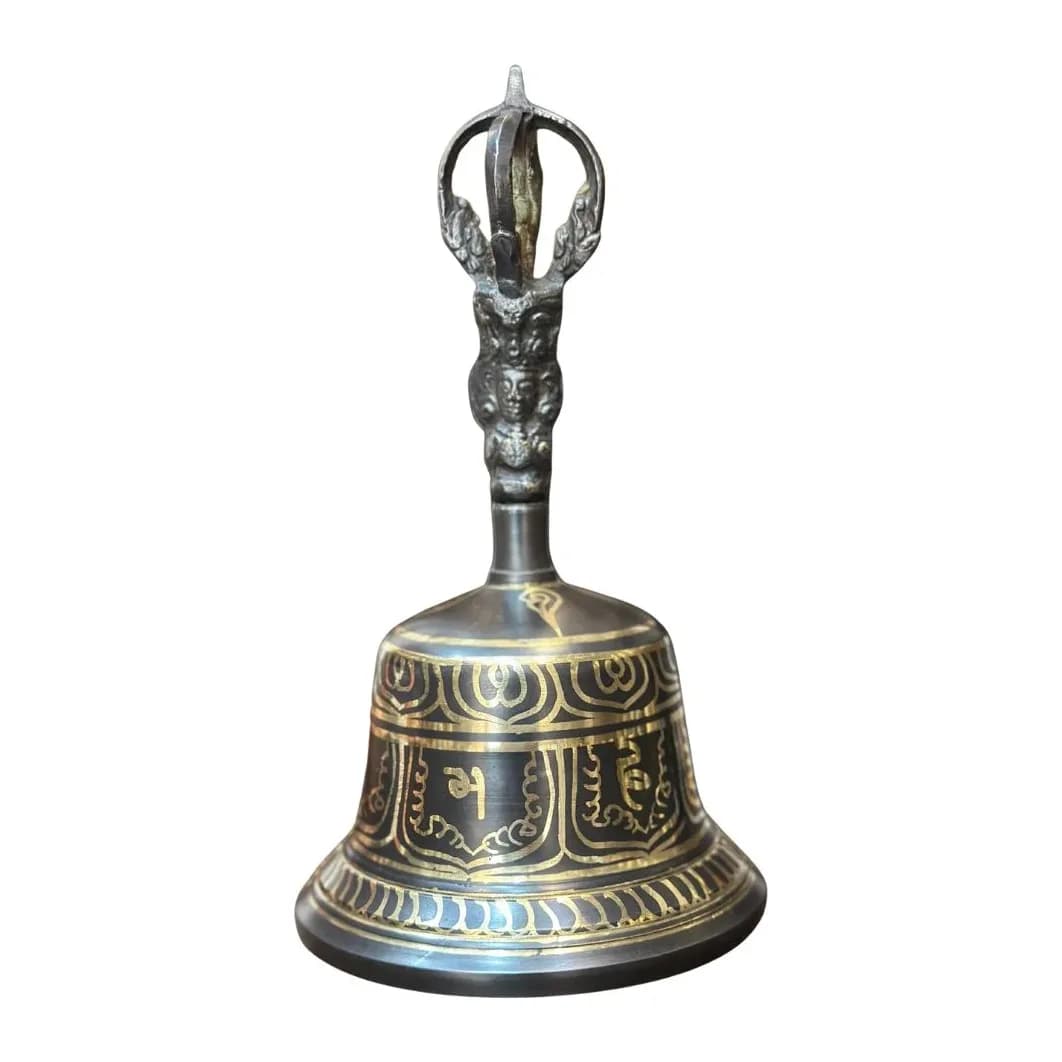
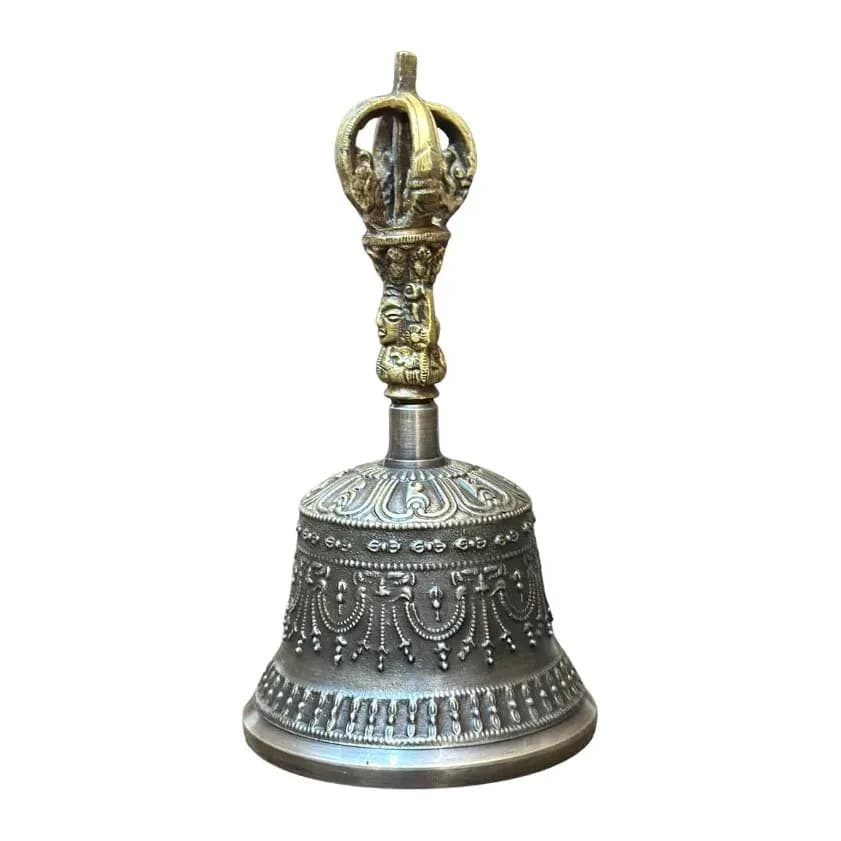
For over a thousand years, one community in Nepal's Kathmandu Valley has shaped the bronze objects at the center of Himalayan ritual life.