Instruments & Ritual
The Himalayan Gong: Reading Its Symbols and Learning to Play It
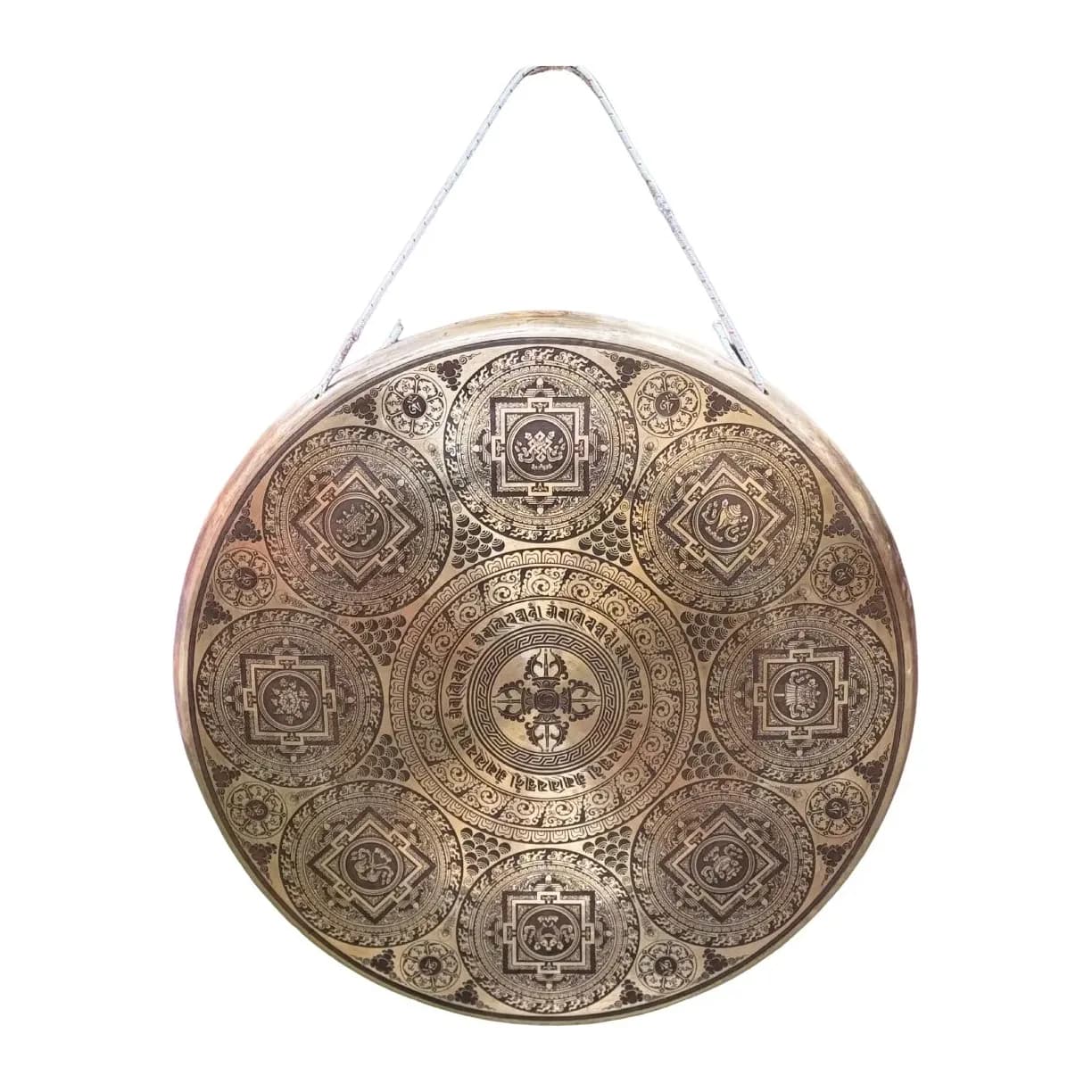
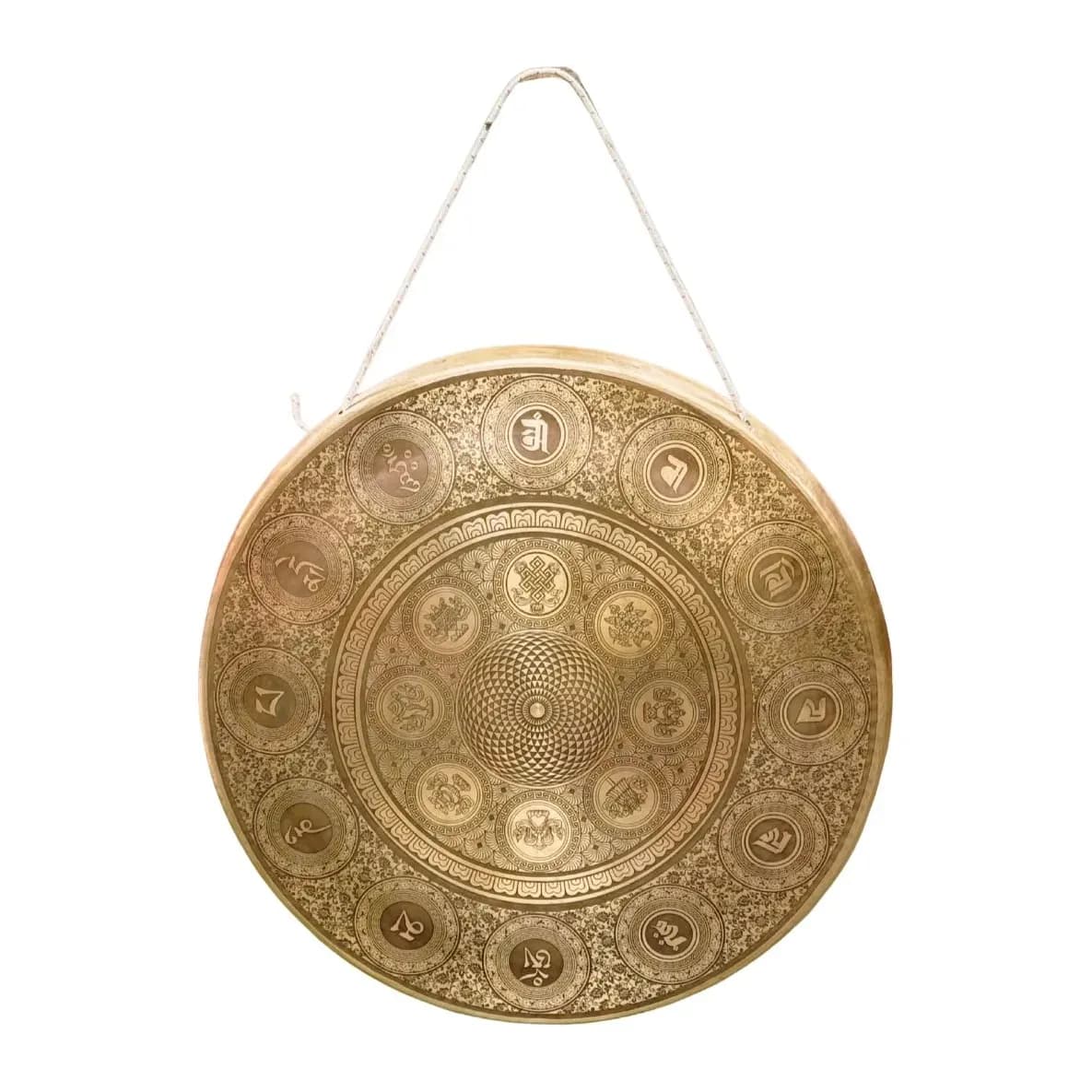
A struck gong marks the beginning and end of practice across the Himalayas. Here's what the etched motifs mean, and how to play one properly.
Bronze is forgiving until it isn't. Simple habits that protect tone, plus the three well-meant mistakes that permanently damage an instrument.
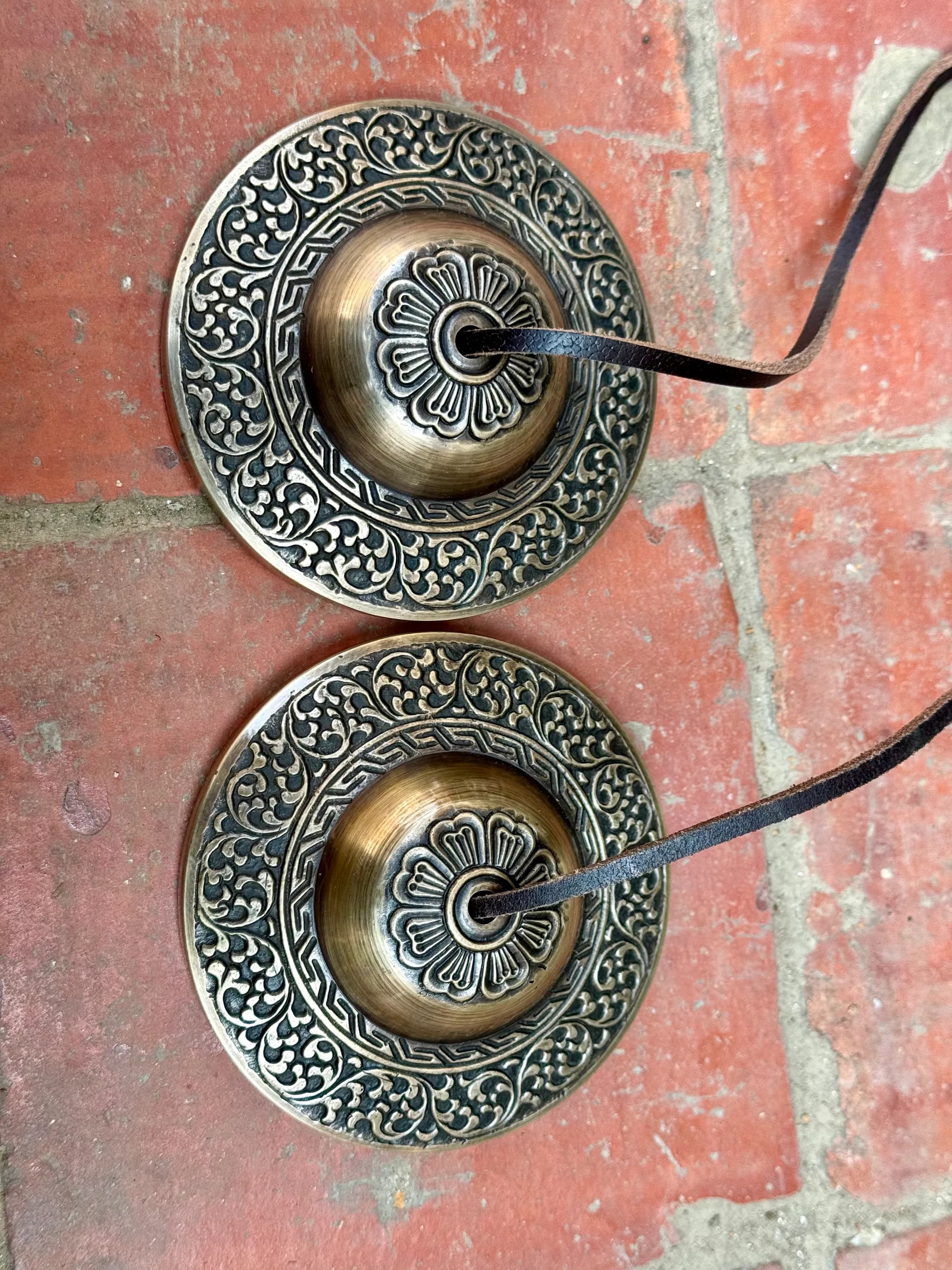
Bronze instruments are durable in the way stone is durable — they tolerate decades of neglect and then fail suddenly to a single careless act. Almost all serious damage we see falls into three categories, and all three come from good intentions.
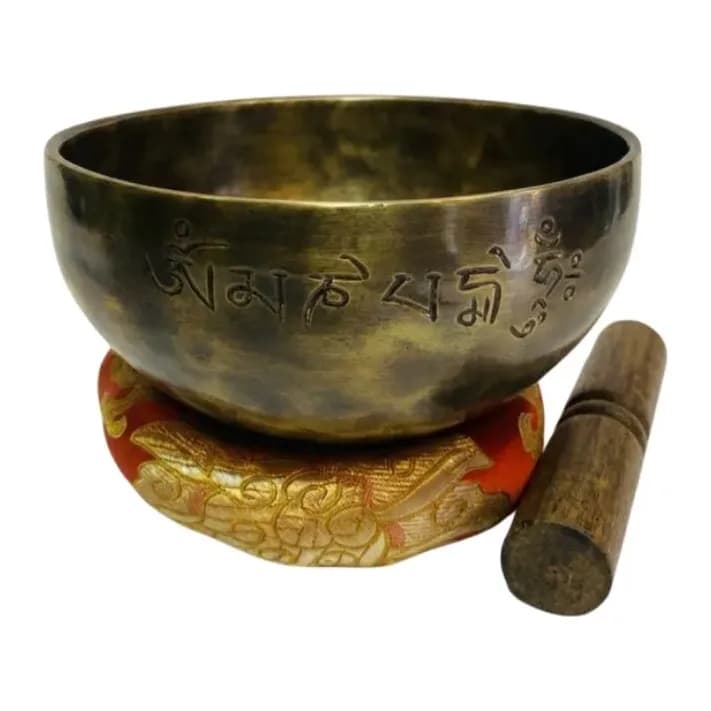
First: metal polish. Brasso and similar compounds are abrasive. They will make a bowl gleam and they will strip an etched design, thin the wall unevenly, and leave a chemical residue in the surface texture. On an antique or a hand-etched piece this is irreversible. If a bowl is genuinely dirty, warm water, a drop of mild soap, and a soft cloth is the entire approved procedure — then dry it completely and immediately.
Second: dishwashers and prolonged soaking. Bronze is not stainless steel. Detergent chemistry plus sustained heat will produce blotchy, permanent discolouration, and any leather or cord fittings will be destroyed outright.
Third: striking with hard objects. Metal-on-metal contact dents the rim, and a dented rim is a detuned rim. Use the mallet the instrument came with, or one made for it. If you want a brighter attack, use the wooden end of a proper striker rather than a harder object.
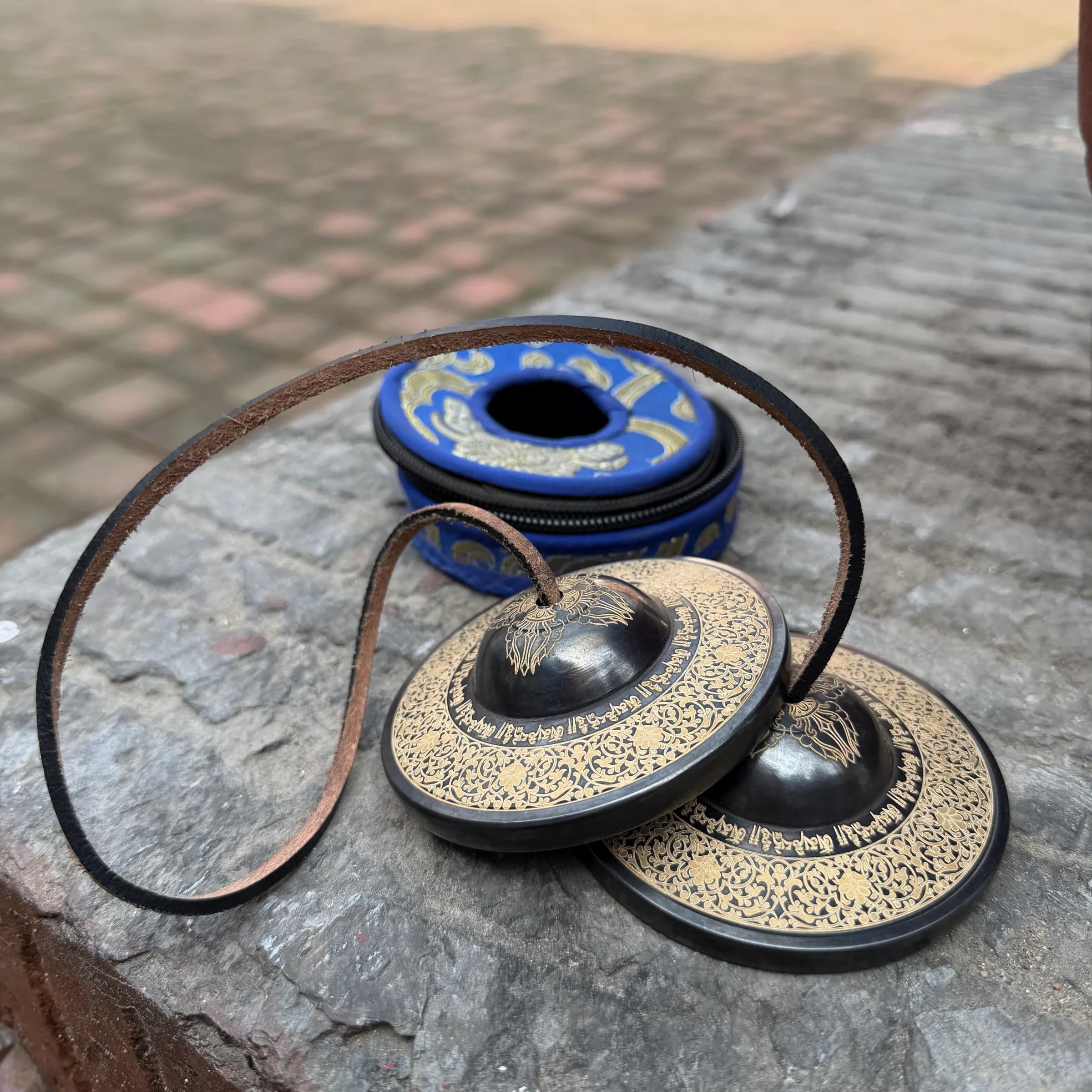
Tingsha: check the leather cord annually. When it stiffens or frays, replace it — a snapped cord usually means one cymbal hits the floor. Hold them by the cord near the boss, never gripped, so both cymbals can ring freely.
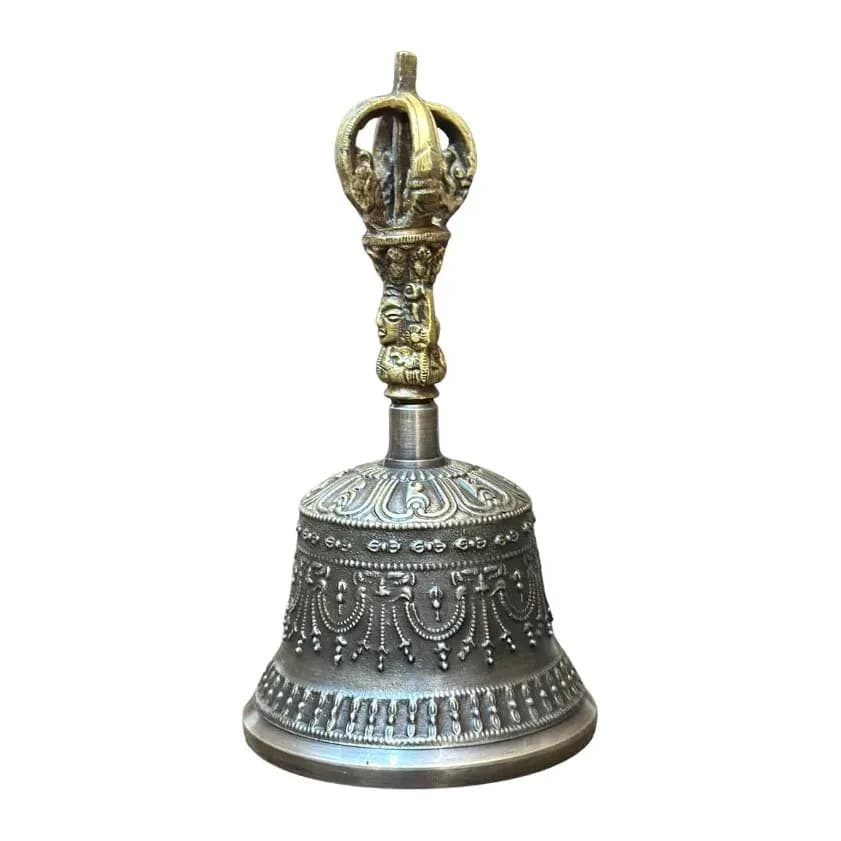
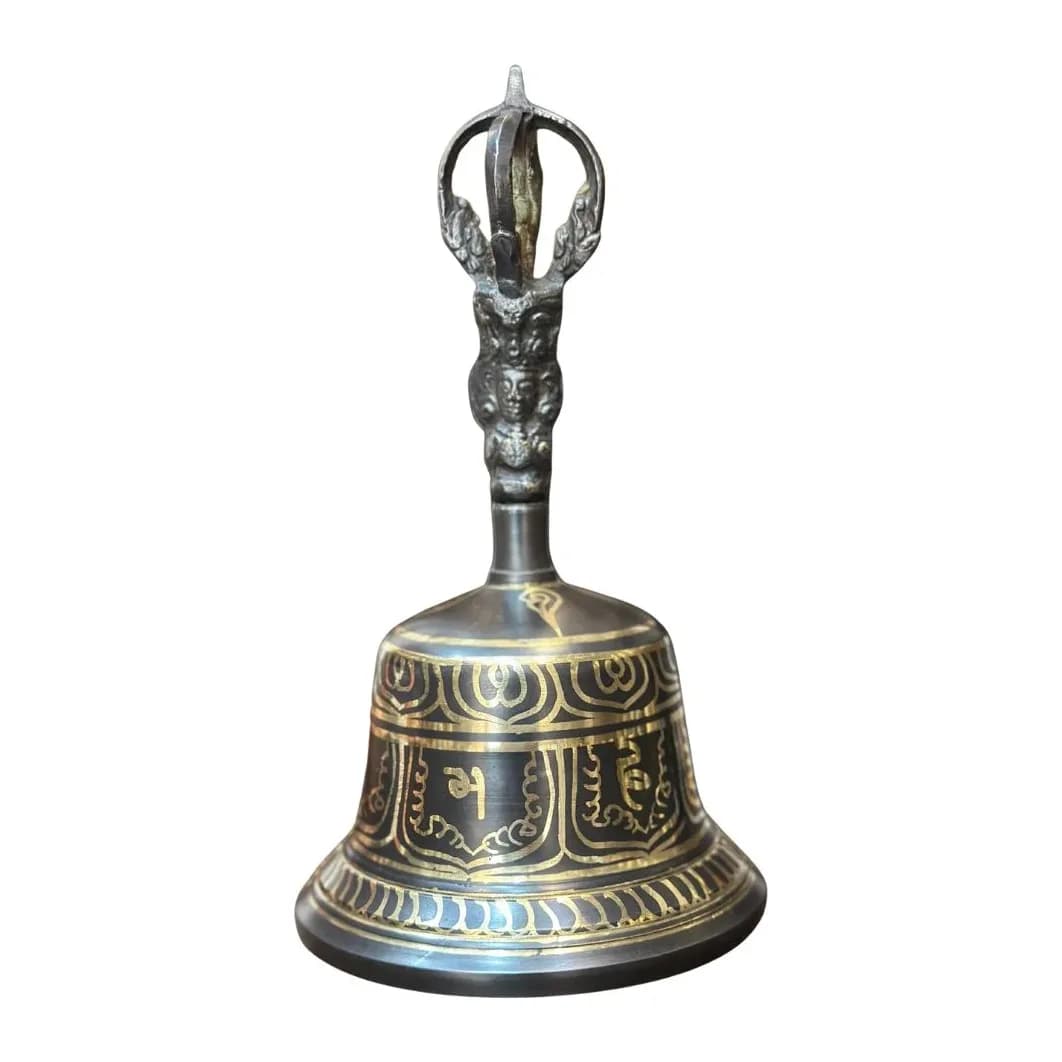
Bells: never store with the bajra inside, and never rest the bell rim-down on a hard surface. Both eventually deform the rim. If the clapper starts buzzing, the join at the handle has loosened — stop playing it and have it reseated rather than continuing.
Gongs: support them from the cord holes only, never leaned against a wall on the rim. A leaned gong develops a flat spot at the contact point, and a flat spot is a dead zone in the sound.
Do this much and the instrument will outlive you comfortably. Bronze from these workshops routinely stays in service for a century or more — the failures are almost never the metal's fault.
A struck gong marks the beginning and end of practice across the Himalayas. Here's what the etched motifs mean, and how to play one properly.
For over a thousand years, one community in Nepal's Kathmandu Valley has shaped the bronze objects at the center of Himalayan ritual life.
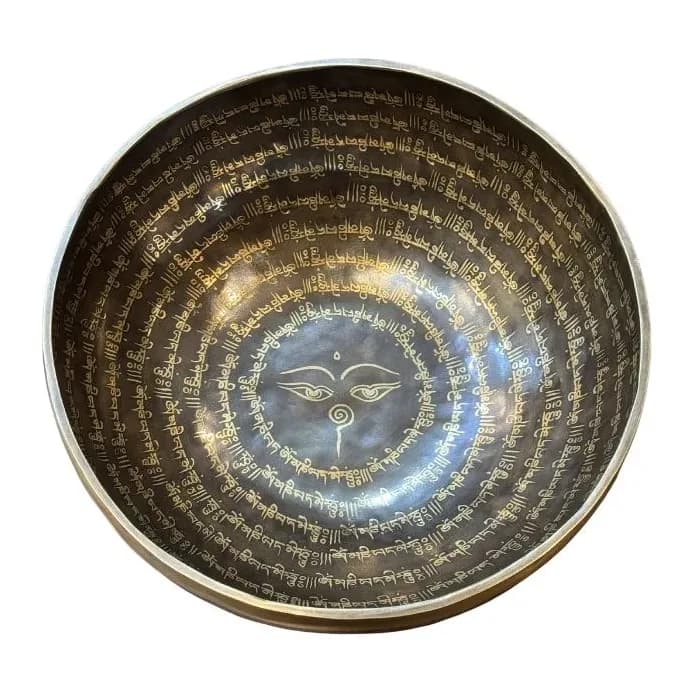
Inside the Patan workshops where a flat disc of bronze becomes a resonant singing bowl — hammered by hand, annealed by fire, and tuned by ear.