Himalayan Culture
Inside the Newari Metalworking Guilds of Patan
For over a thousand years, one community in Nepal's Kathmandu Valley has shaped the bronze objects at the center of Himalayan ritual life.
A struck gong marks the beginning and end of practice across the Himalayas. Here's what the etched motifs mean, and how to play one properly.
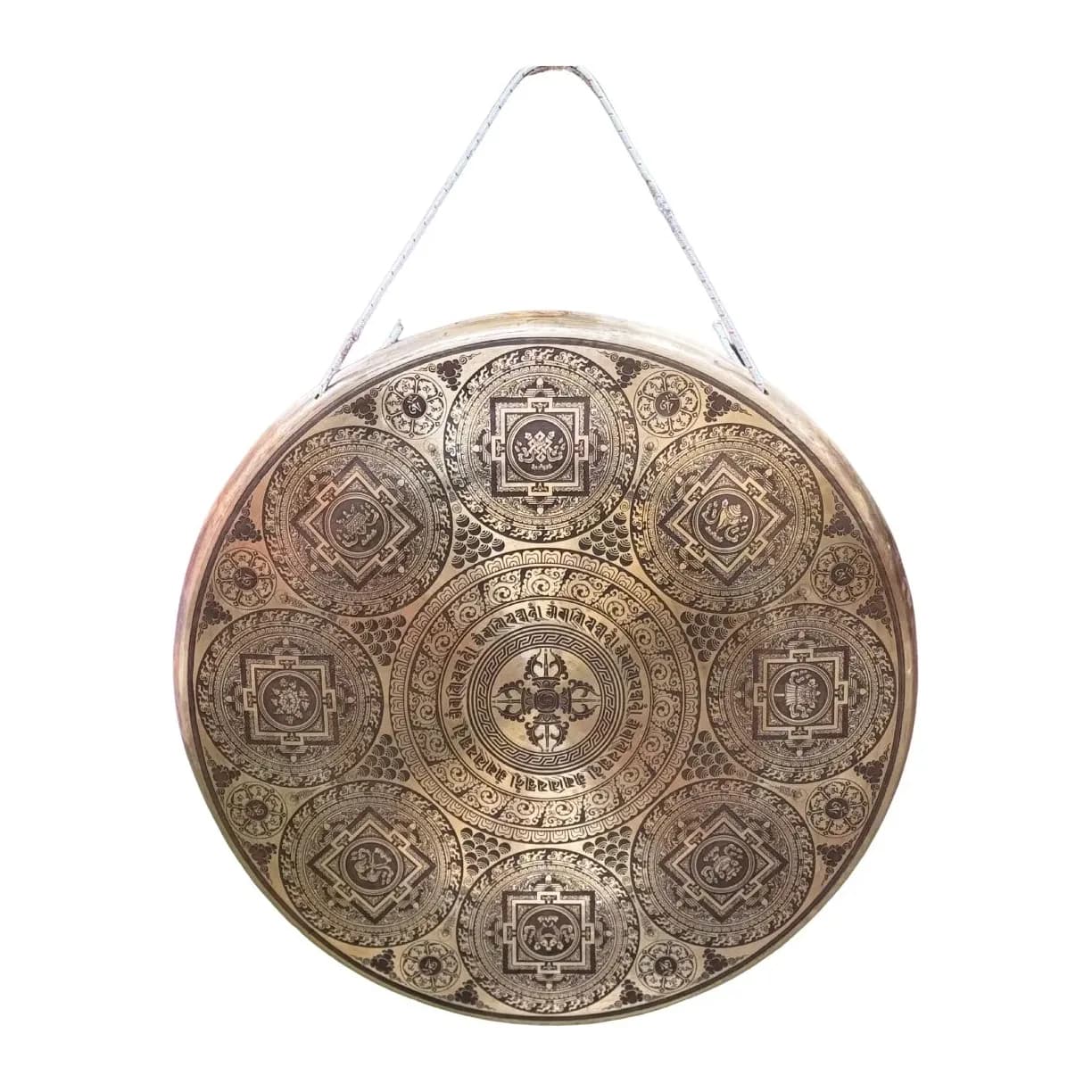
A gong is not a larger, louder singing bowl. It is a different instrument with a different job. Where a bowl is held and rimmed to build a sustained tone, a gong is hung, struck once, and left to do the rest of the work on its own — a single blow followed by up to a minute of shifting overtone as the disc's vibration settles. In Himalayan practice it is the instrument that marks a threshold: the start of a session, the end of one, a call to attention.
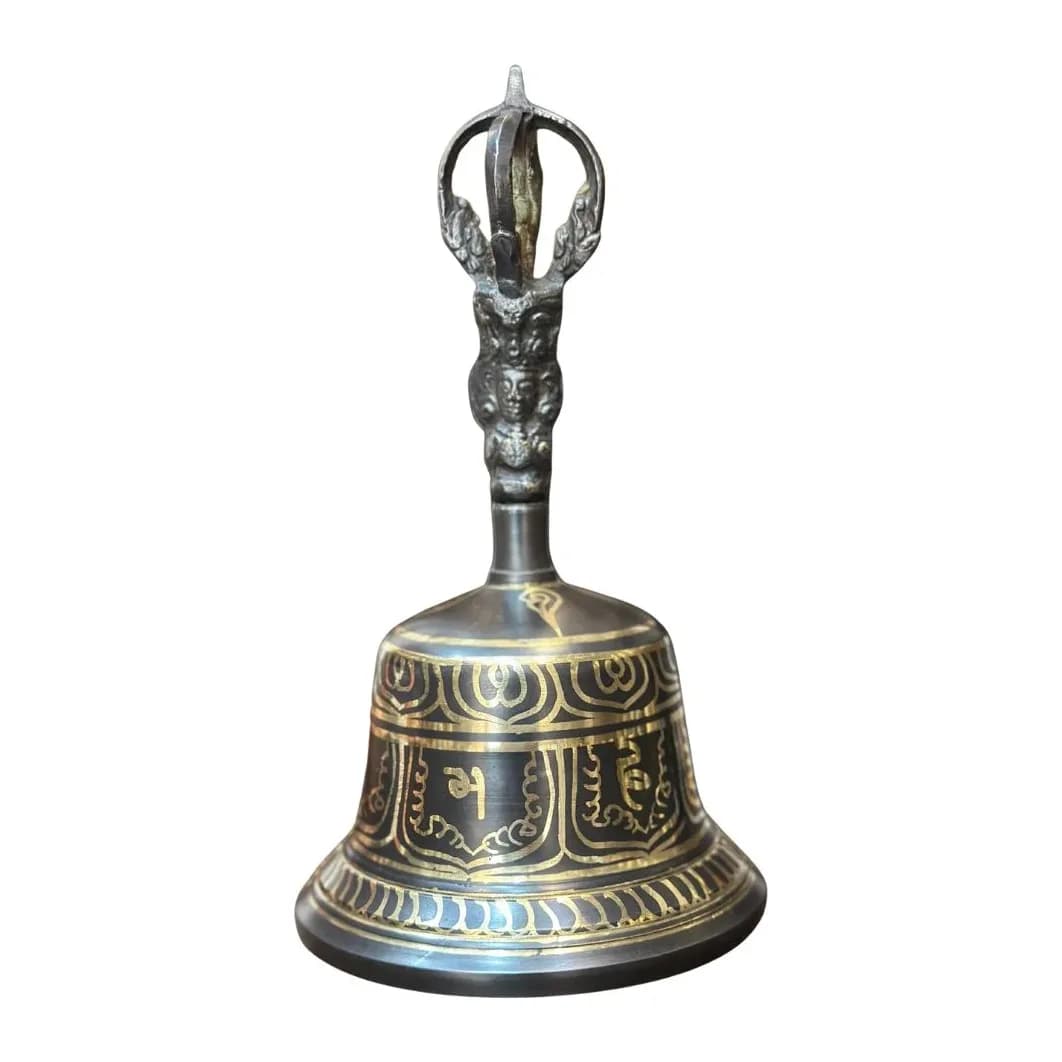
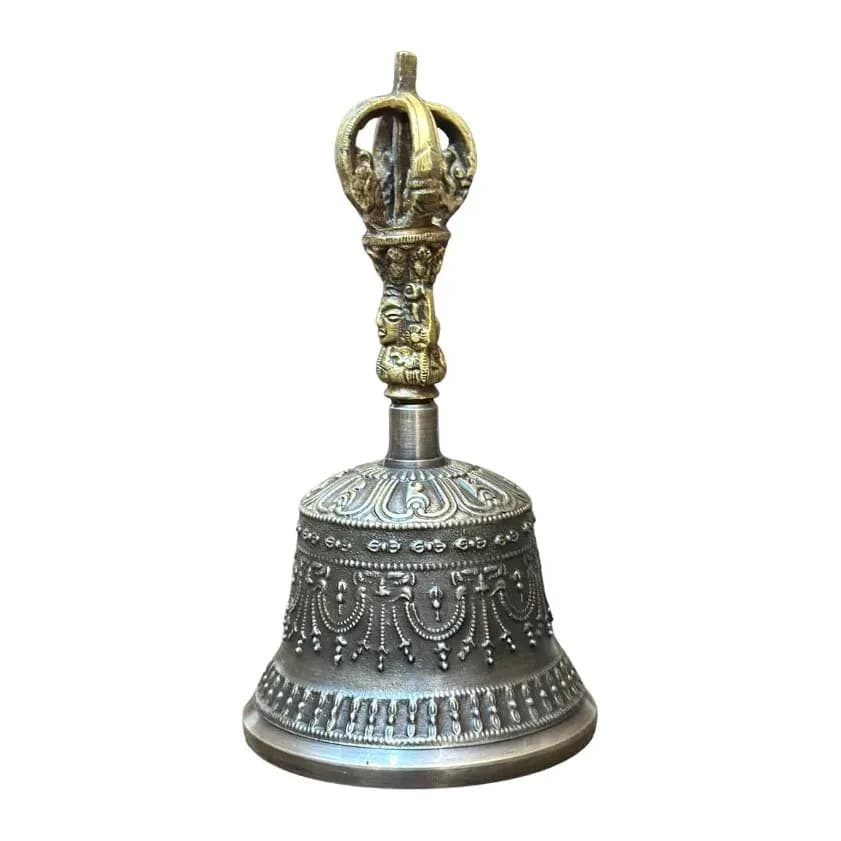
Every gong we sell is hand-etched across its full face, and the motif is chosen the same way a bell's iconography is — it isn't arbitrary decoration, it's the reason a particular disc gets made at all:
A good etcher plans the whole composition before the first cut, since a gong's face can't be re-centered once work begins — unlike a bowl, where the mouth and base give some room to adjust.
The most common mistake is treating the gong like a drum and hitting it as hard as possible, dead center, once. That produces a loud, short, slightly harsh crash rather than the long, complex swell the instrument is capable of. A better approach is to strike a third of the way between the rim and the center, with a padded mallet, and to let the first strike be moderate rather than maximal — you can always build volume with a second or third strike as the disc opens up.
“Hit it like you're waking someone gently, not like you're breaking down a door. The gong will tell you how loud it wants to go.”
To close the sound rather than let it ring out, touch the flat of your palm to the face near the rim — this dampens it evenly, without the clank you'd get from grabbing the edge.
Smaller gongs (around 20–25cm) speak almost instantly and sit comfortably in a home practice space without overwhelming the room. Larger gongs (30cm and up) take longer to open — the first second or two after a strike can feel deceptively quiet before the sustain builds — and are better suited to a group setting or sound-bath work, where that slow bloom is the point rather than an inconvenience.
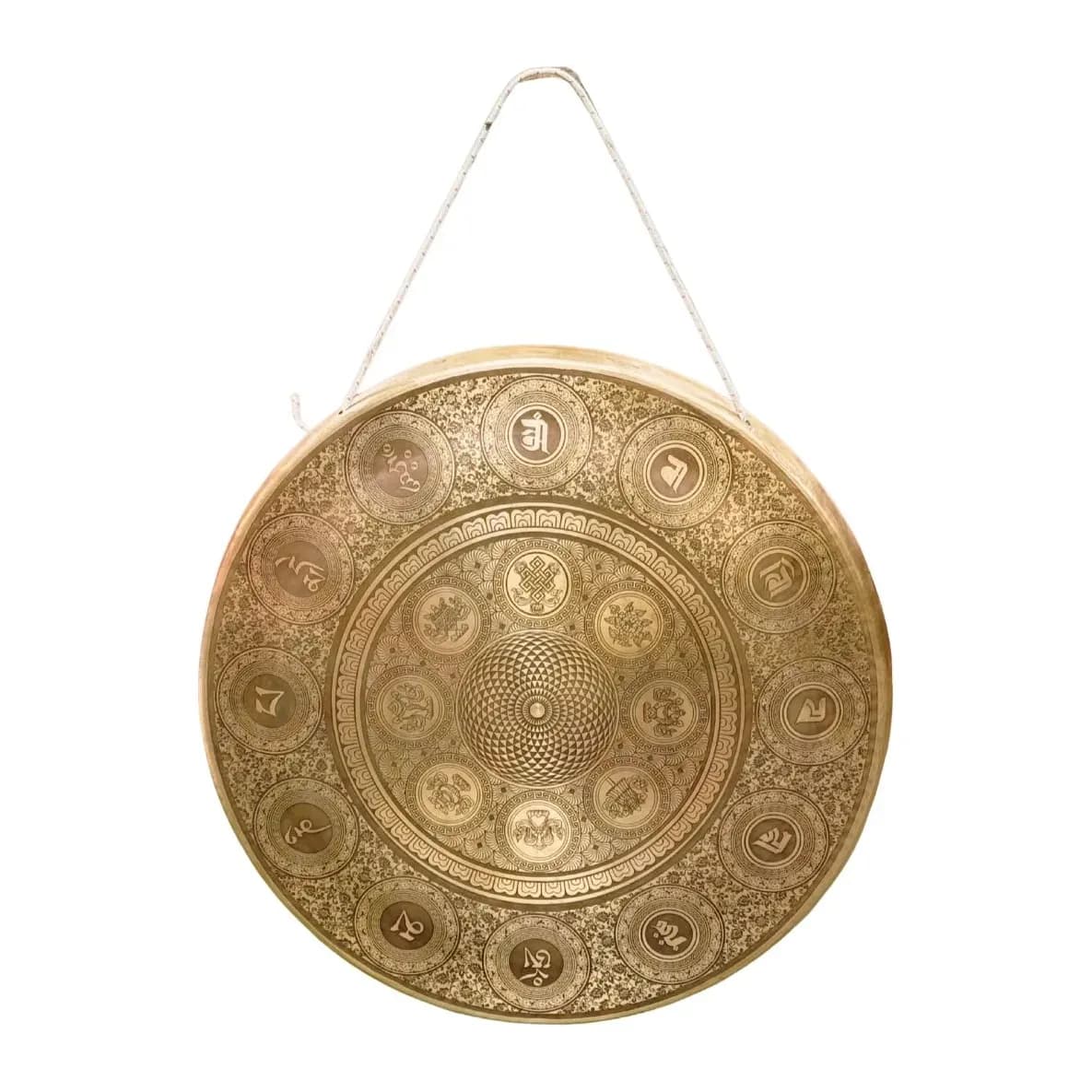
A gong should hang free on its cord, never resting against a wall or stand — contact anywhere on the face creates a dead spot that dulls the tone permanently at that point. Wipe it down the same way as any bronze piece: a soft dry cloth, no metal polish, and let the surface darken naturally rather than trying to keep it bright.
Done right, a gong outlasts the room it hangs in. The sound changes slightly as the bronze ages and the patina deepens — smiths consider this an improvement, not a decline.
For over a thousand years, one community in Nepal's Kathmandu Valley has shaped the bronze objects at the center of Himalayan ritual life.
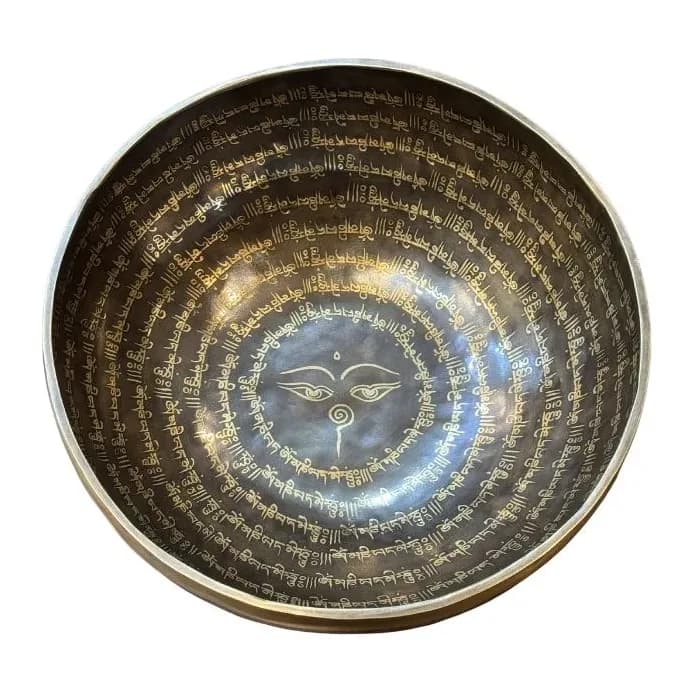
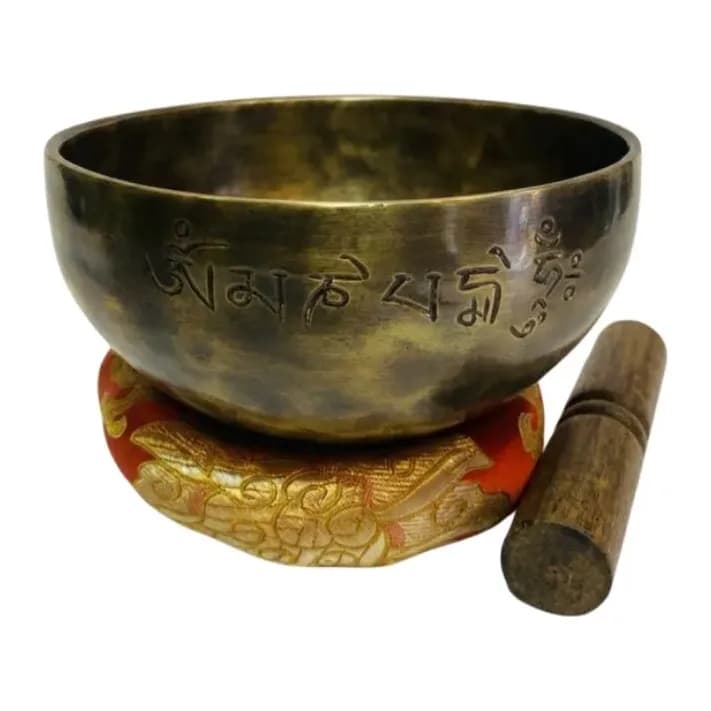
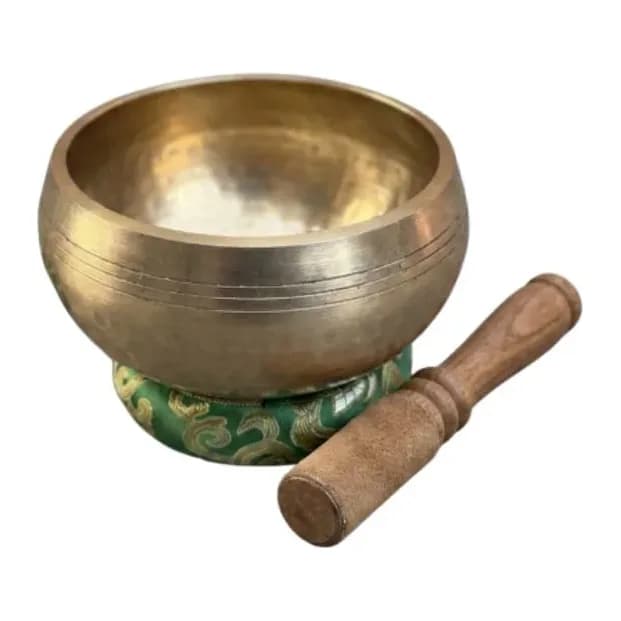
Inside the Patan workshops where a flat disc of bronze becomes a resonant singing bowl — hammered by hand, annealed by fire, and tuned by ear.
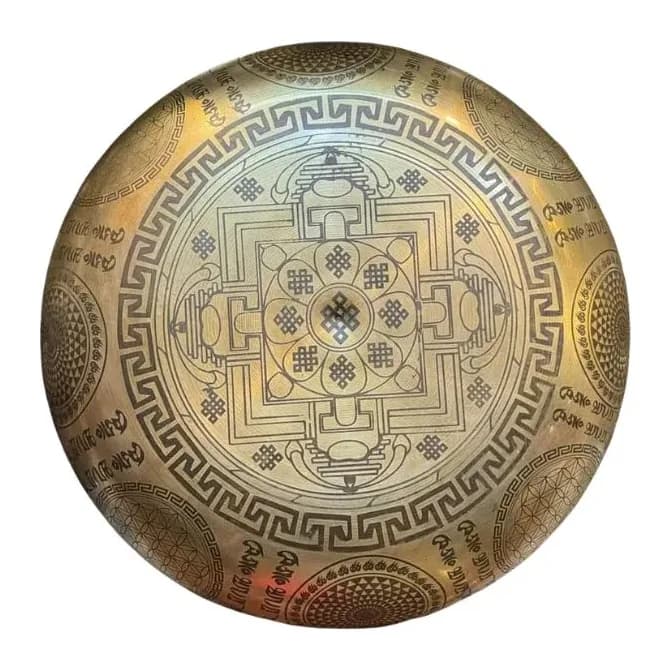
Size, tone, and intention. A practical guide to picking a bowl whose voice actually matches how you plan to use it.